Urbanites +
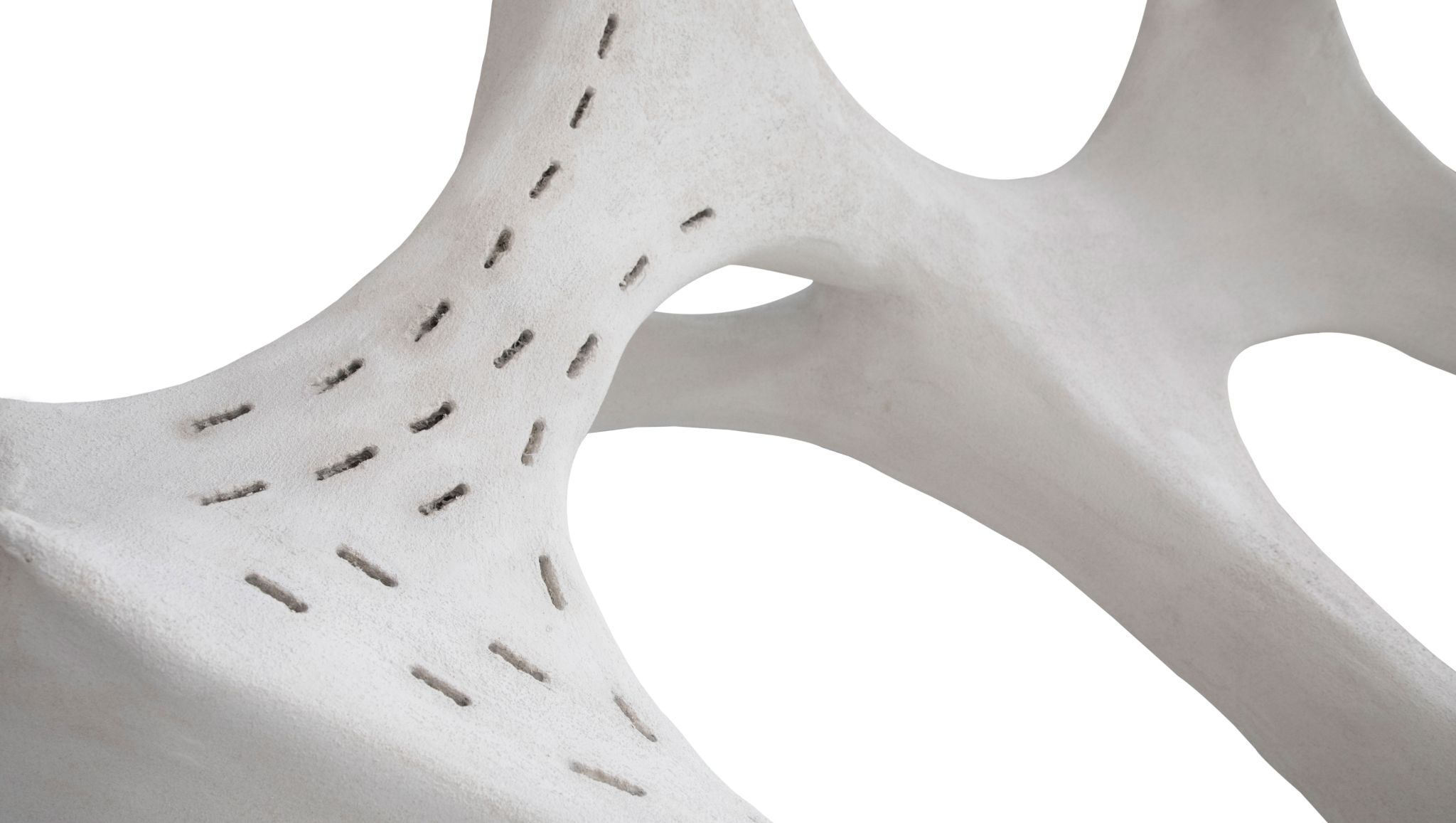
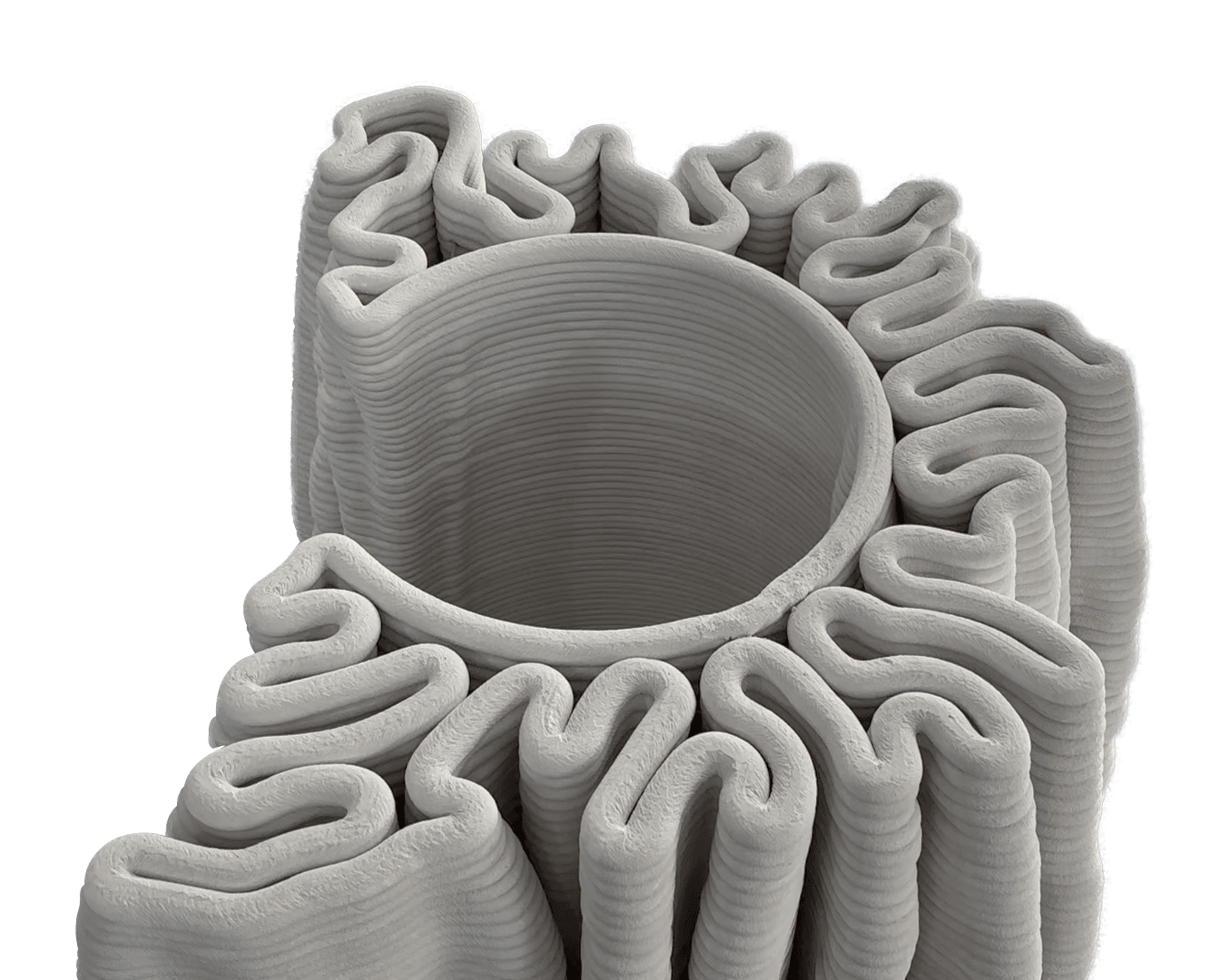
Urban Atölye was commissioned by Arup Türkiye to carry out a community-based research project on mycelium cultivation as a candidate material for the future built environment. Developed within the framework of the New European Bauhaus initiative and its principles of equitable, circular and fair production, the project set out to explore how mycelium, a fast-growing biological composite derived from fungi, could be grown, shaped and used by non-specialist communities as part of a regenerative design practice.
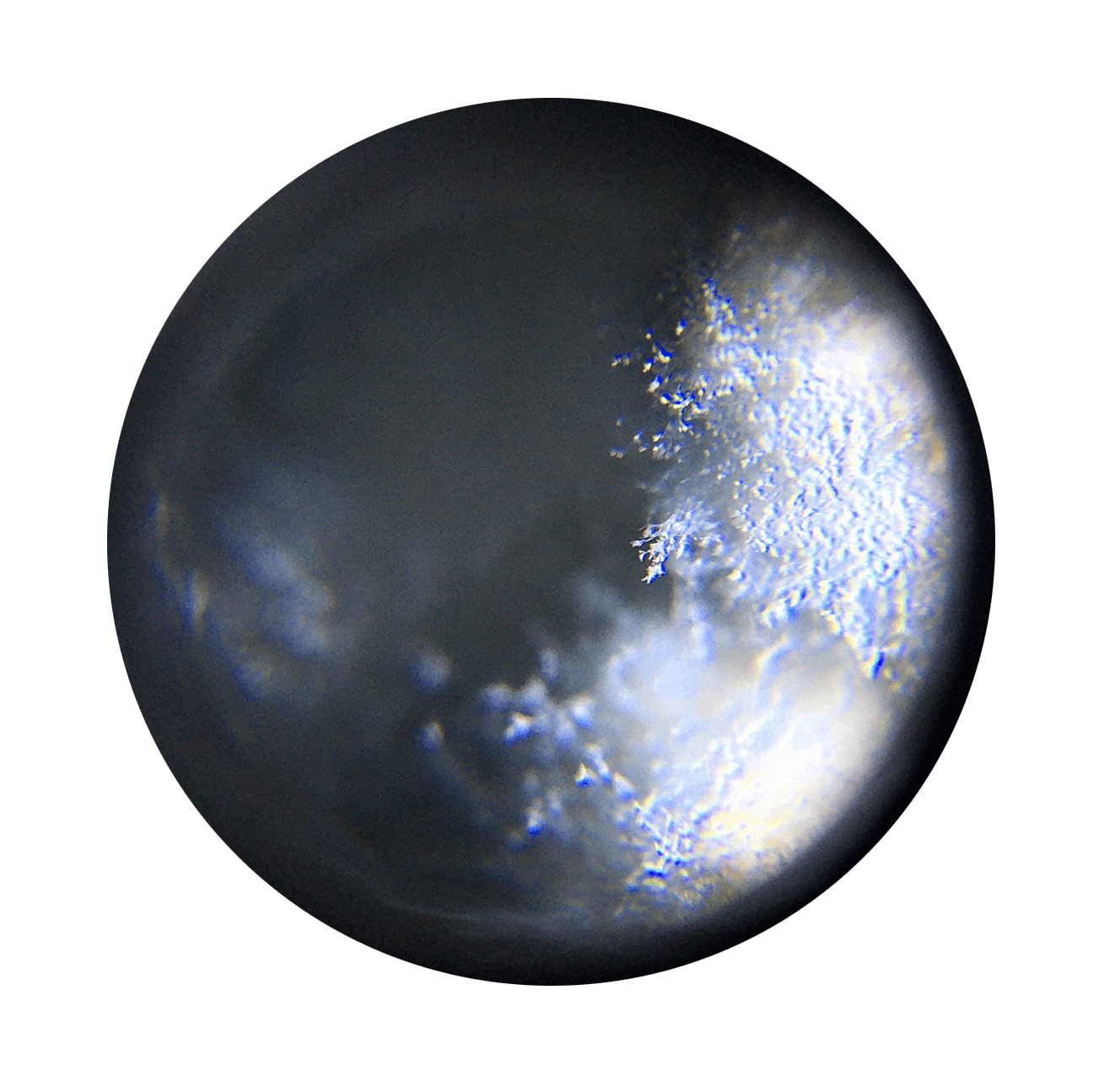
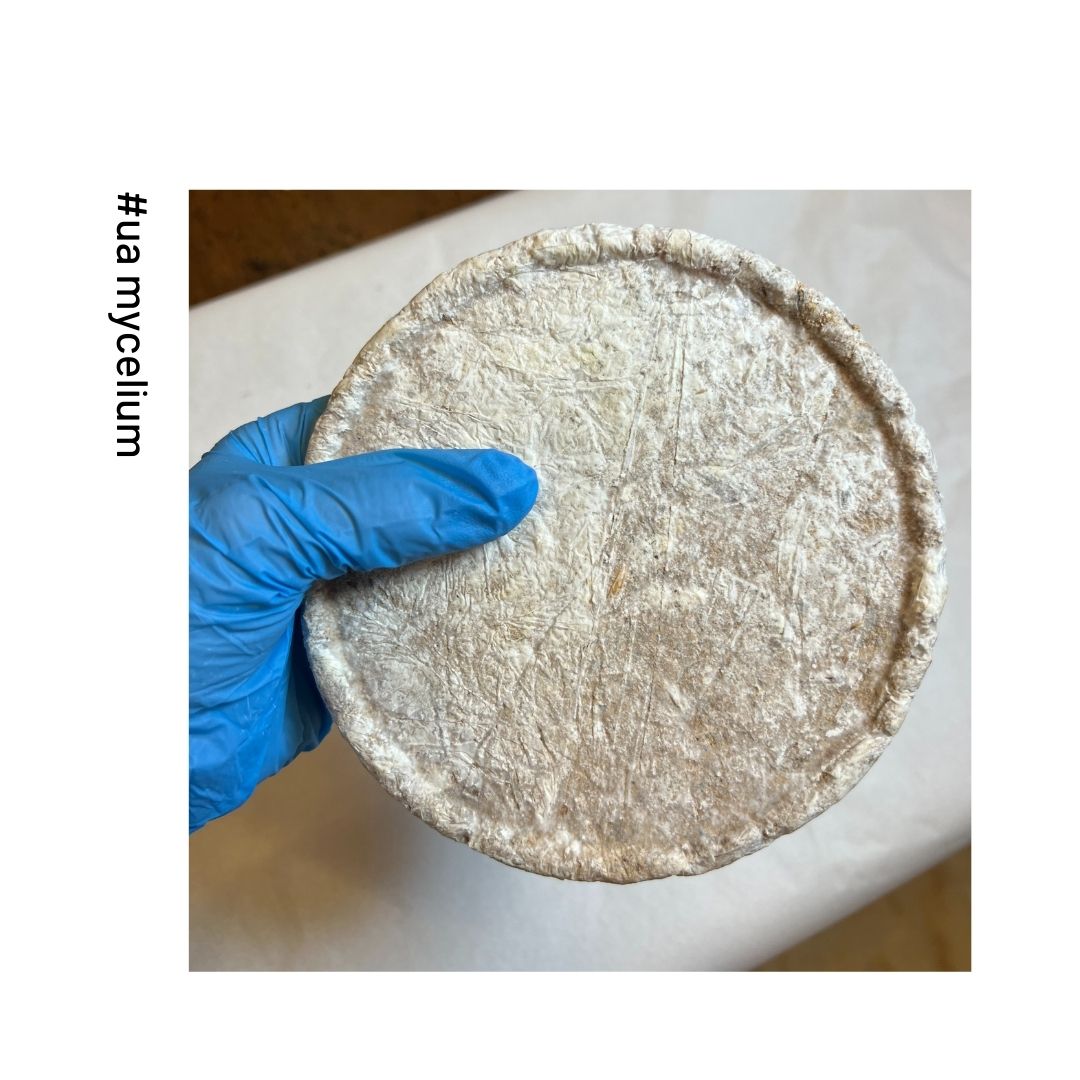
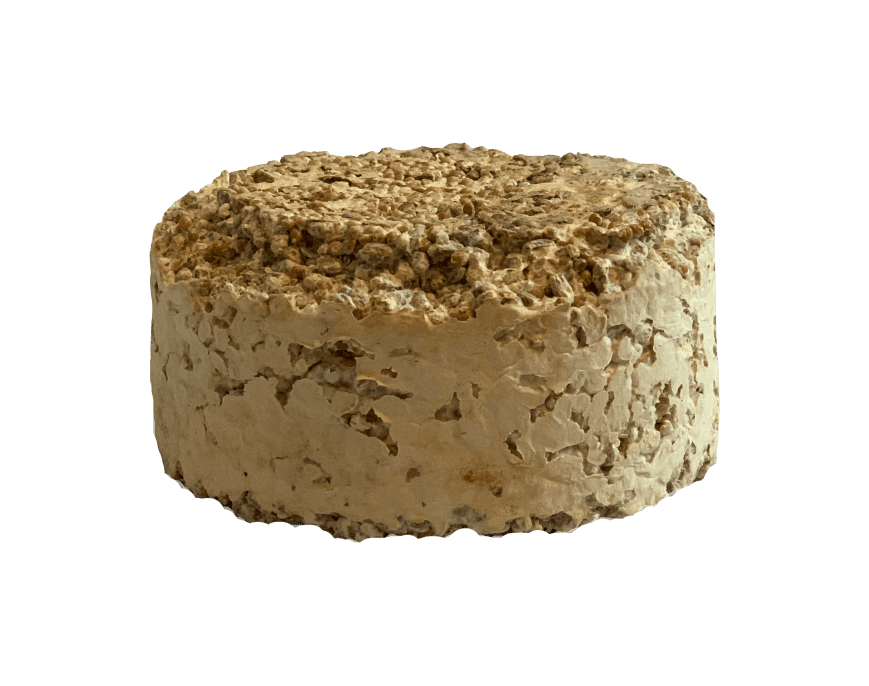
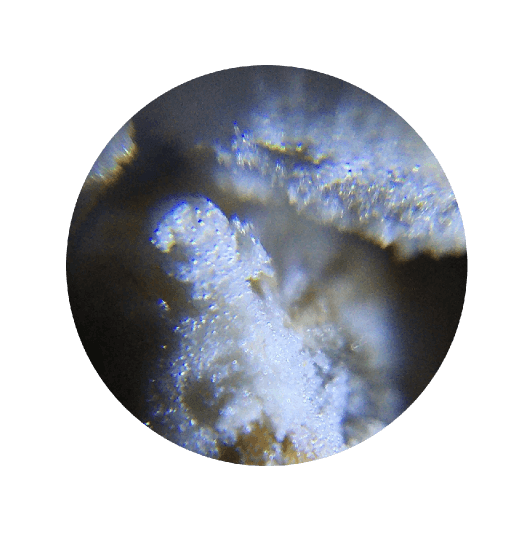
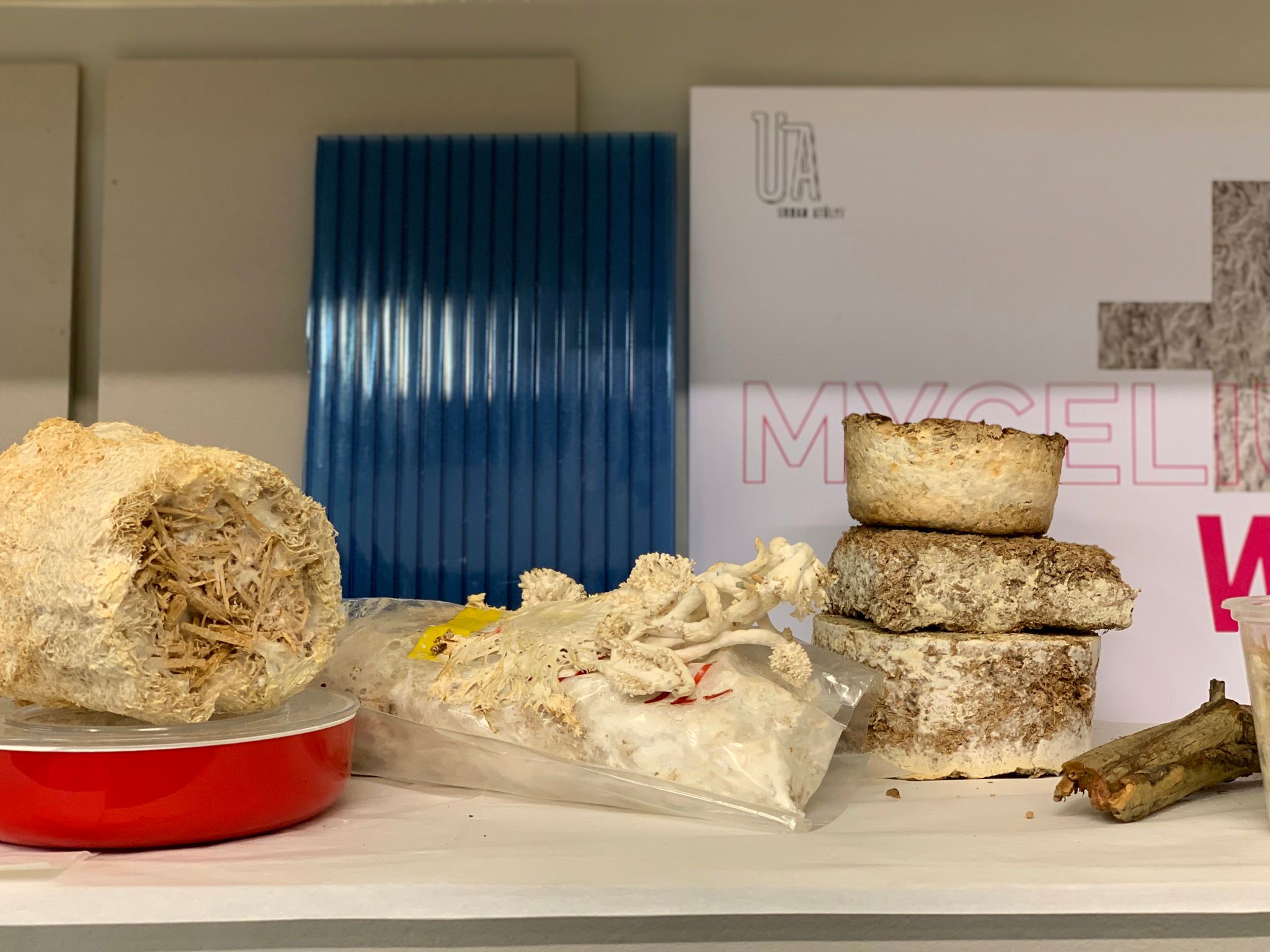
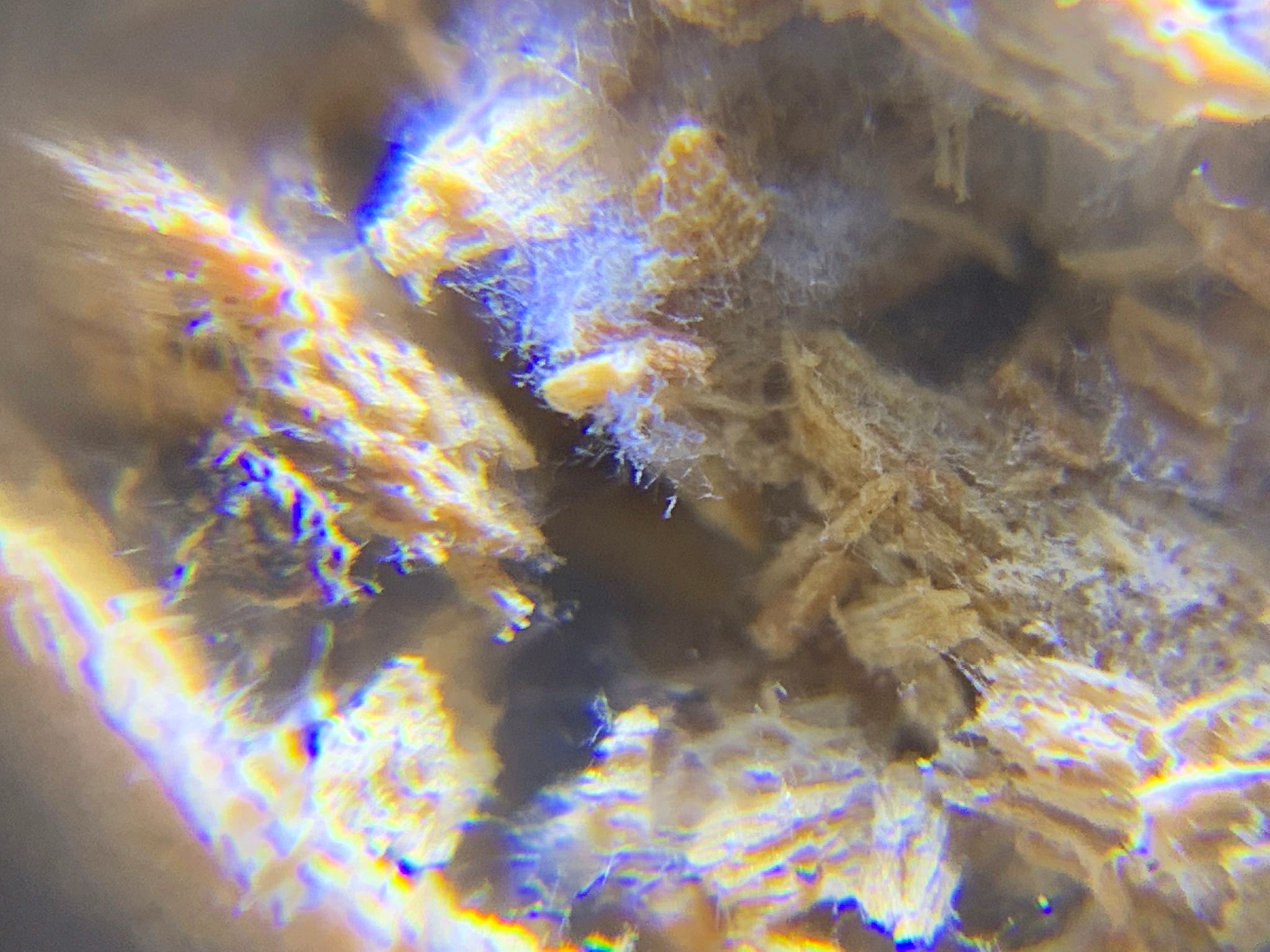
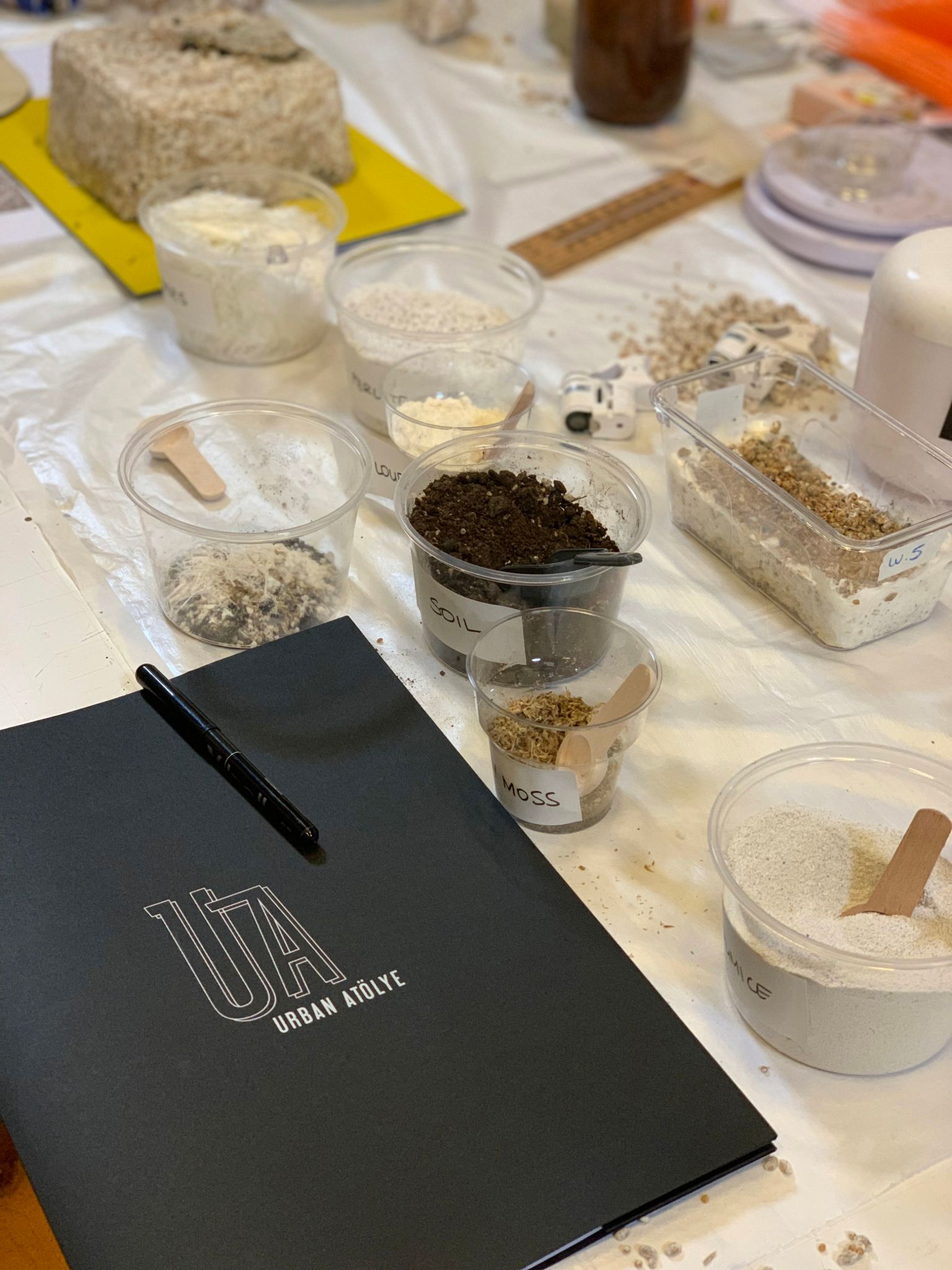
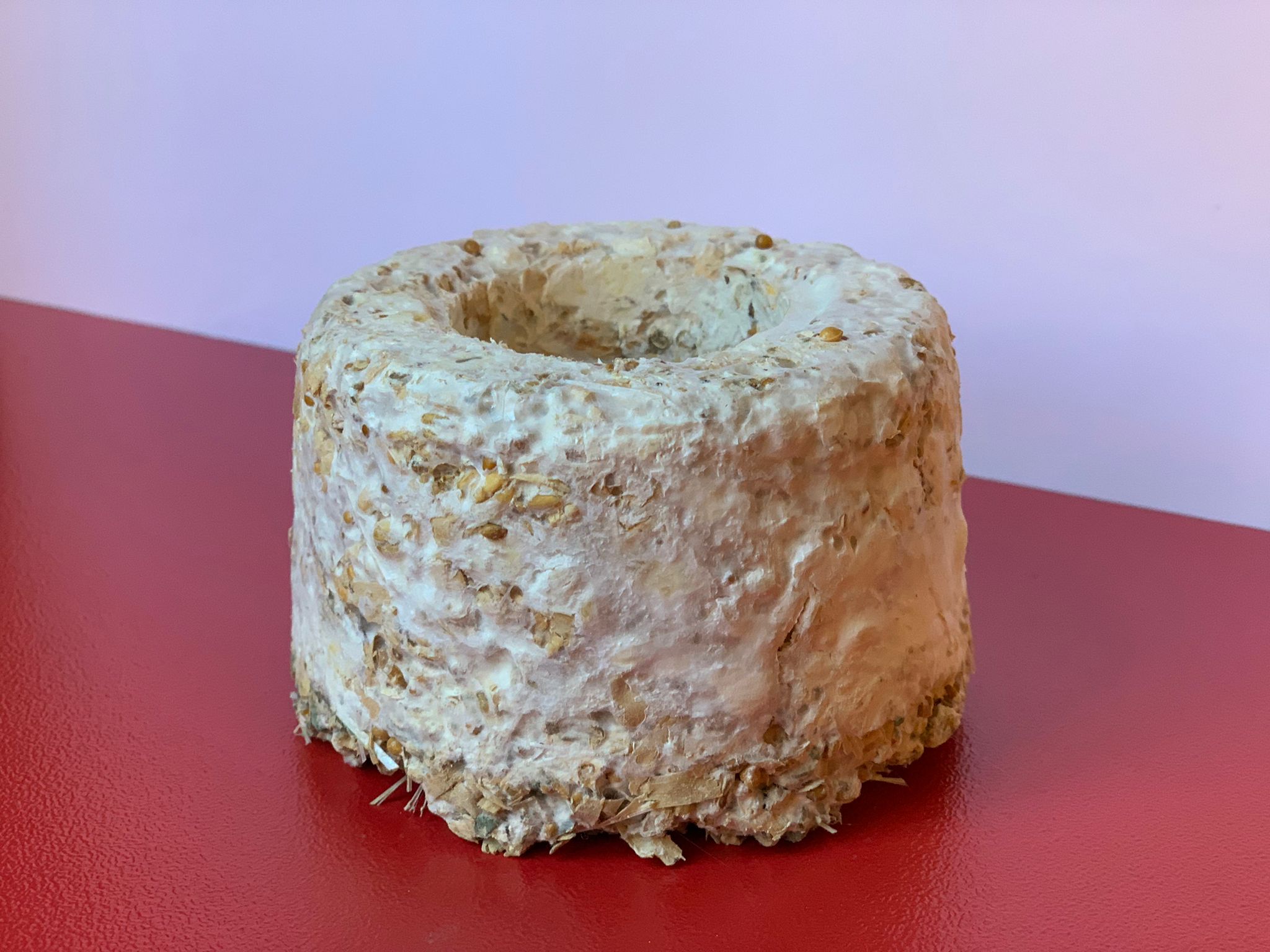
The research, formally titled Digital Craftsmanship of Urban Living Rooms with Bio-Based Materials: Community-Based Research on Techniques and Methodologies on Mycelium Cultivation, asked a fundamental question: could a city's residents produce their own building materials? Over the course of four months, Urban Atölye ran more than a hundred growth trials at its Maslak studio, systematically testing the variables that govern mycelium behaviour. These included mushroom typology, substrate composition, mould form, environmental conditions, humidity, sterilisation methods and drying techniques. The studio worked with beech, reishi and oyster mycelium across substrates ranging from turf and straw to einkorn flour, coffee grounds, dry moss and wood chippings, and tested mould forms from corrugated cardboard boxes and PVC cylinders to silicone, wood and polyester resin casts. Each trial was documented, photographed through a microscopic lens and assessed for growth speed, structural integrity and contamination resistance.

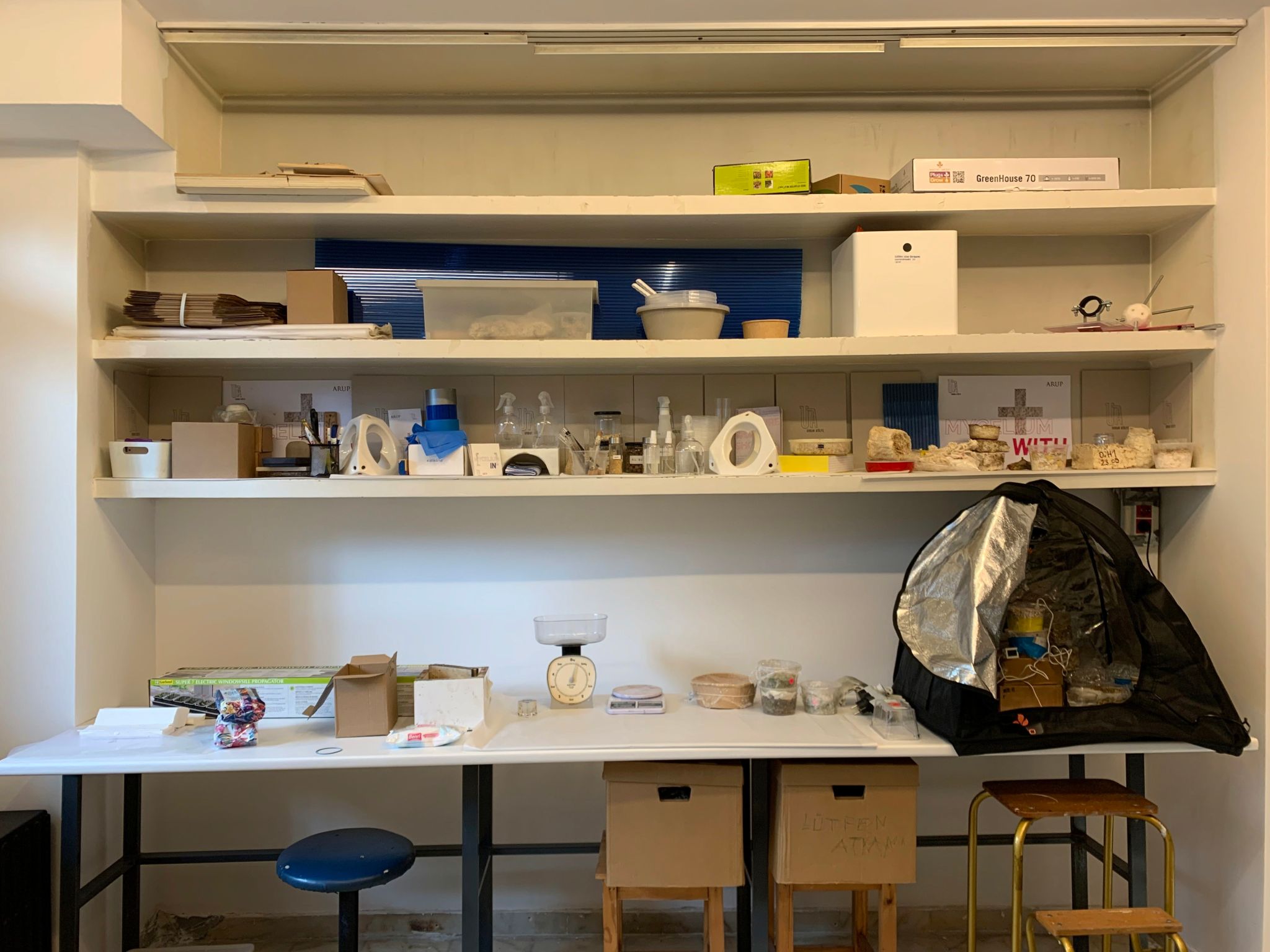
The methodology was designed to be community-replicable. Rather than optimizing for industrial output, the research focused on identifying parameters that could be controlled in home, workshop or school settings. This led to the identification of three growing environments tested in parallel: a dedicated growing cabin with controlled airflow and reflective interior, a miniature greenhouse and ordinary room conditions. The findings confirmed that while round, compact moulds performed best structurally and small, thick casts were less prone to cracking, healthy growth was achievable across multiple everyday settings provided that humidity, temperature and basic sterilization protocols were respected.
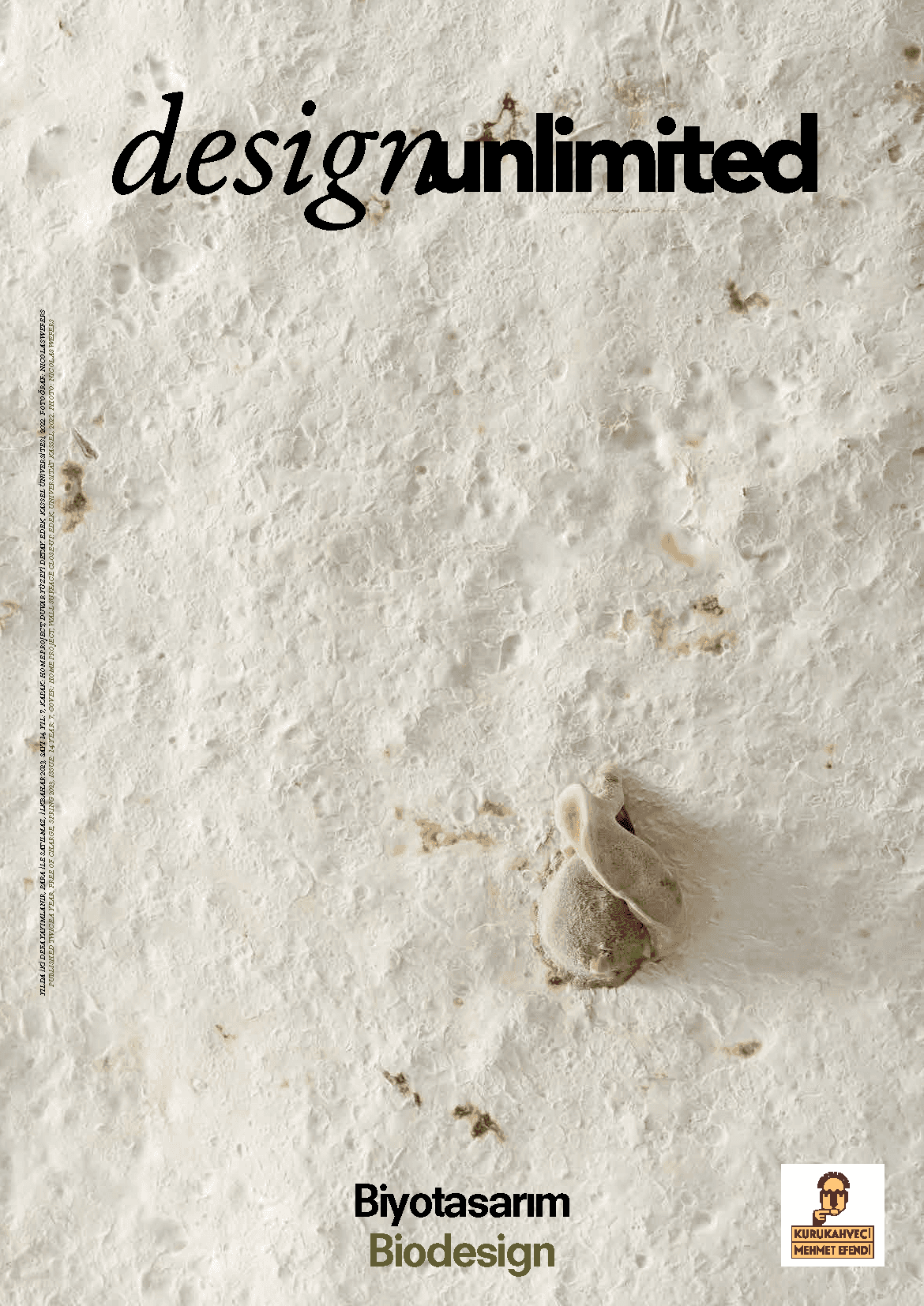
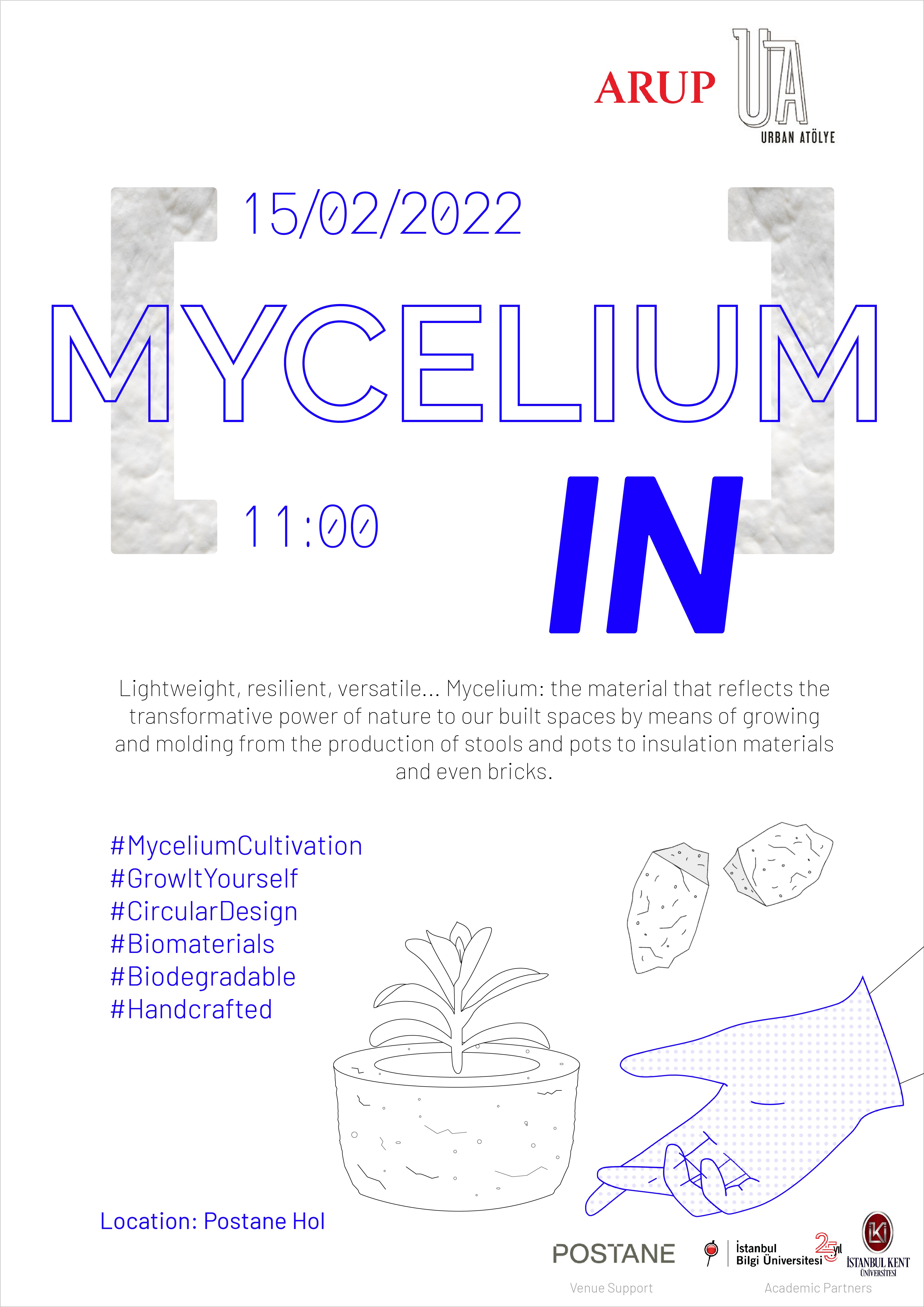
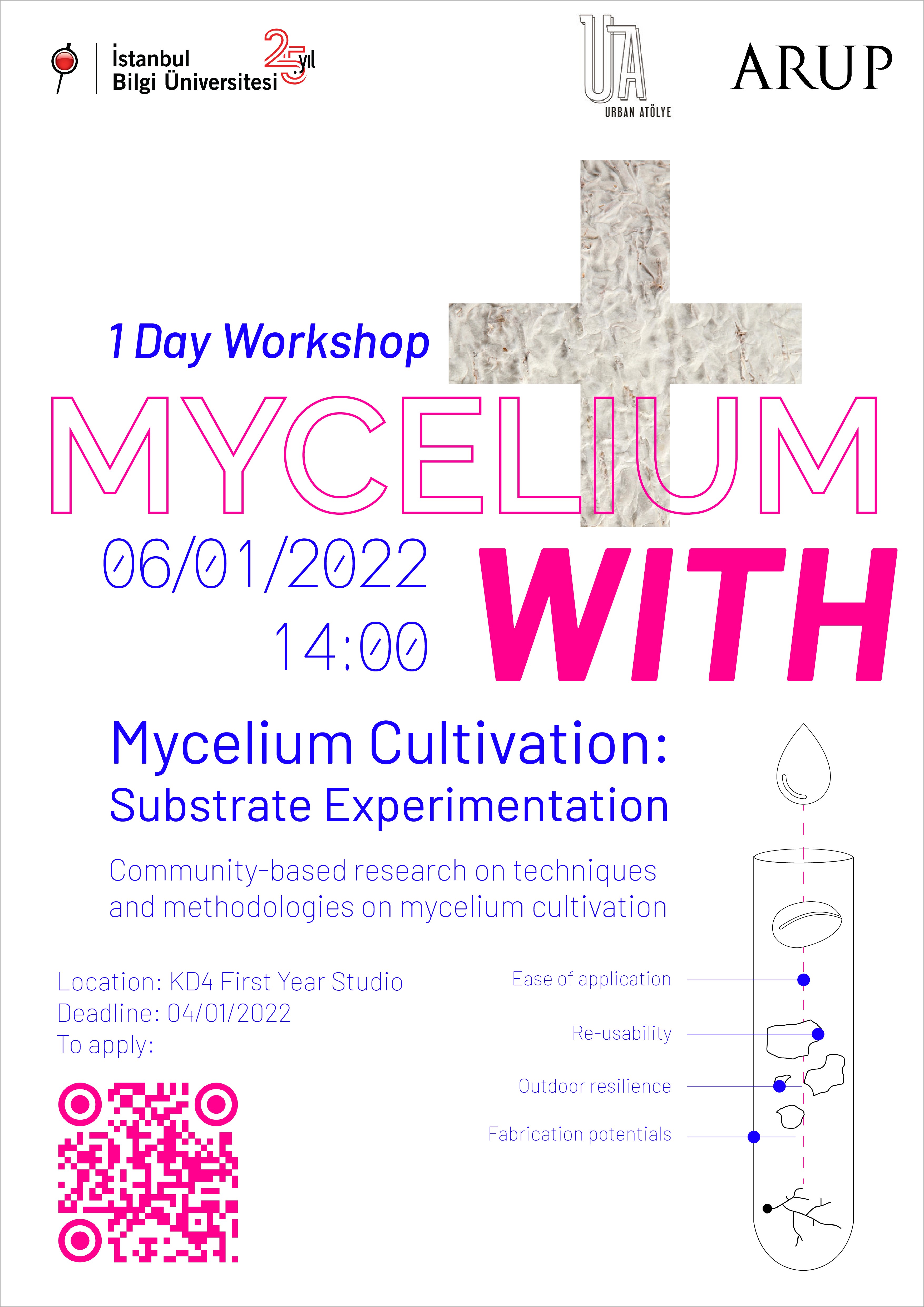
The project culminated in two public-facing workshops held in Istanbul and in a body of documentation shared across Urban Atölye, Arup and the wider academic and design community. A strategic plan charted future design directions, identifying planters, vases and packaging as possible first applications of mycelium produced at community scale. The research was later published in the Spring-Summer 2023 issue of Design Unlimited magazine, one of Türkiye's leading art, architecture and design publications, in a special issue devoted to biodesign. Urban Atölye also contributed a reflective essay to the same issue, titled Bio-Diaries, exploring the thinking and sensibility that emerged through the research process.
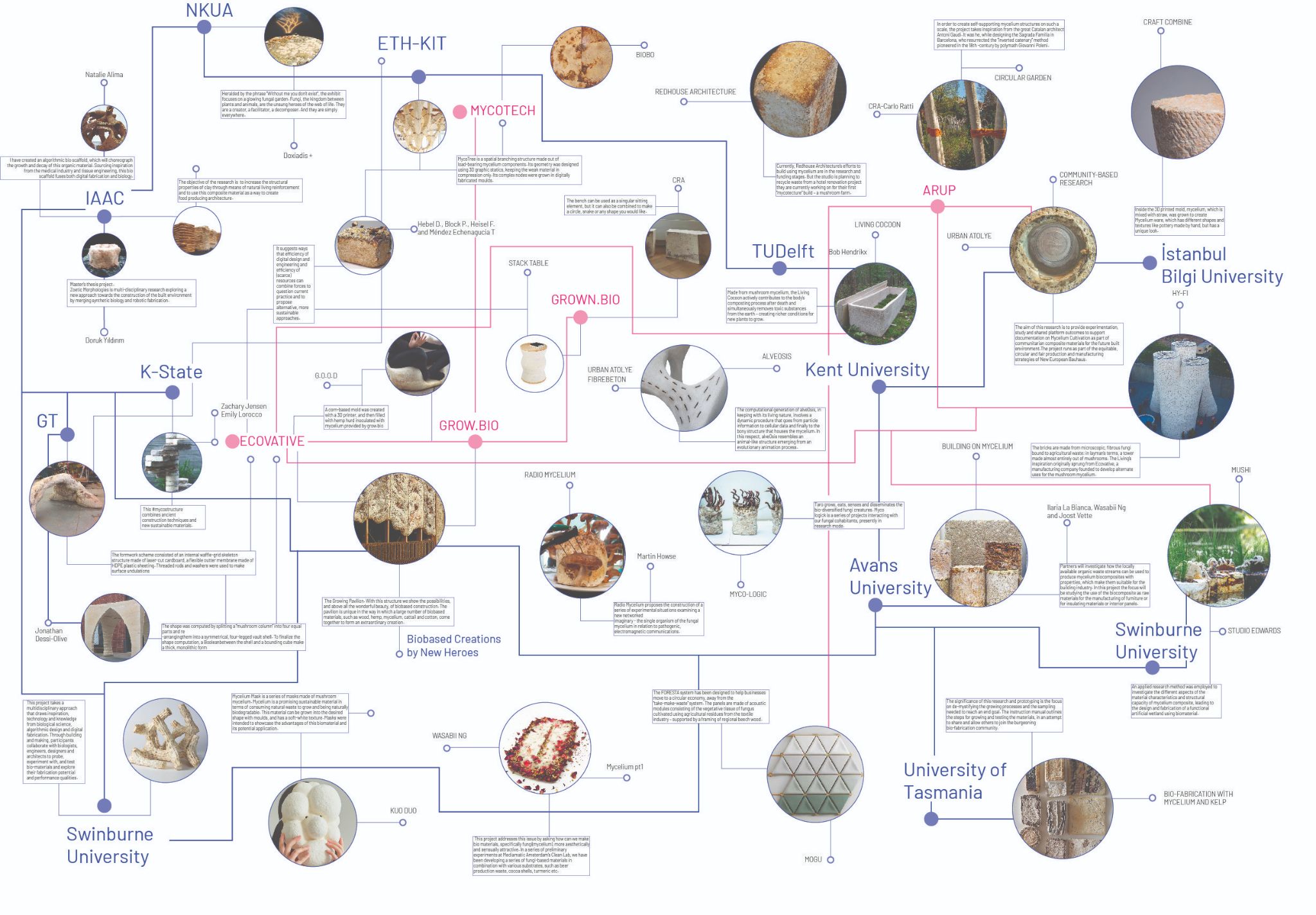
The project represents one of the first structured attempts in Turkey to document the conditions under which mycelium-based biomaterials could be grown and used at a community level. It contributed to an emerging local and global network connecting academia, design studios, private labs, artisans and institutions around the future of bio-based construction.
Related Press
Related Events
In collaboration with
RESEARCH TEAM
ARUP
Sertaç Erten, Head of Planning and Urban Design, Project Director
Zeynep Sarımustafa, Landscape Architect, Project Manager
Sıla Bozdeveci, Architect
URBAN ATOLYE
Nilüfer Kozikoğlu, Architect, Chief Researcher
Deniz Karabekiroğlu, Architect, Research Coordinator
Burcu Taşkın, Architect
Juliana Yoshida, Architect
Erk Solmaz, Architect
Sena Şiranlı, Assistant
CONTRIBUTORS
Prof. Dr. Zuhal Ulusoy, Dean of School of Architecture of Istanbul Bilgi University
Prof. Hatice Gülen, Faculty of Engineering and Natural Sciences
Asst. Prof.Fulya Özsel Akipek, Istanbul Bilgi University
Dr. Pınar Şahin Kocabaş, Yeditepe University, Bahçeşehir University
Cem Haydaroğlu, Civil Engineer, Arup
Gökhan Karakuş, Architectural Theoretician, Biophilia, GAD Architecture
Tansel Dalgalı, Architect, Arup
Doruk Yıldırım, Architect, Researcher, Studio Blai
Cem Doğan, Kent University
Burcu Arıkan, Co-founder at IyiEkim Myco
Yasemin Şengil, Pop-Machina
D.oP Yunus Emre Hamiş
Documentary Director: Gülşah Özgen
SPECIAL THANKS
İstanbul Kent University
Istanbul Bilgi University
POSTANE İstanbul
Related Works