Cutis
A Biophilic Surface System
Urbanites +
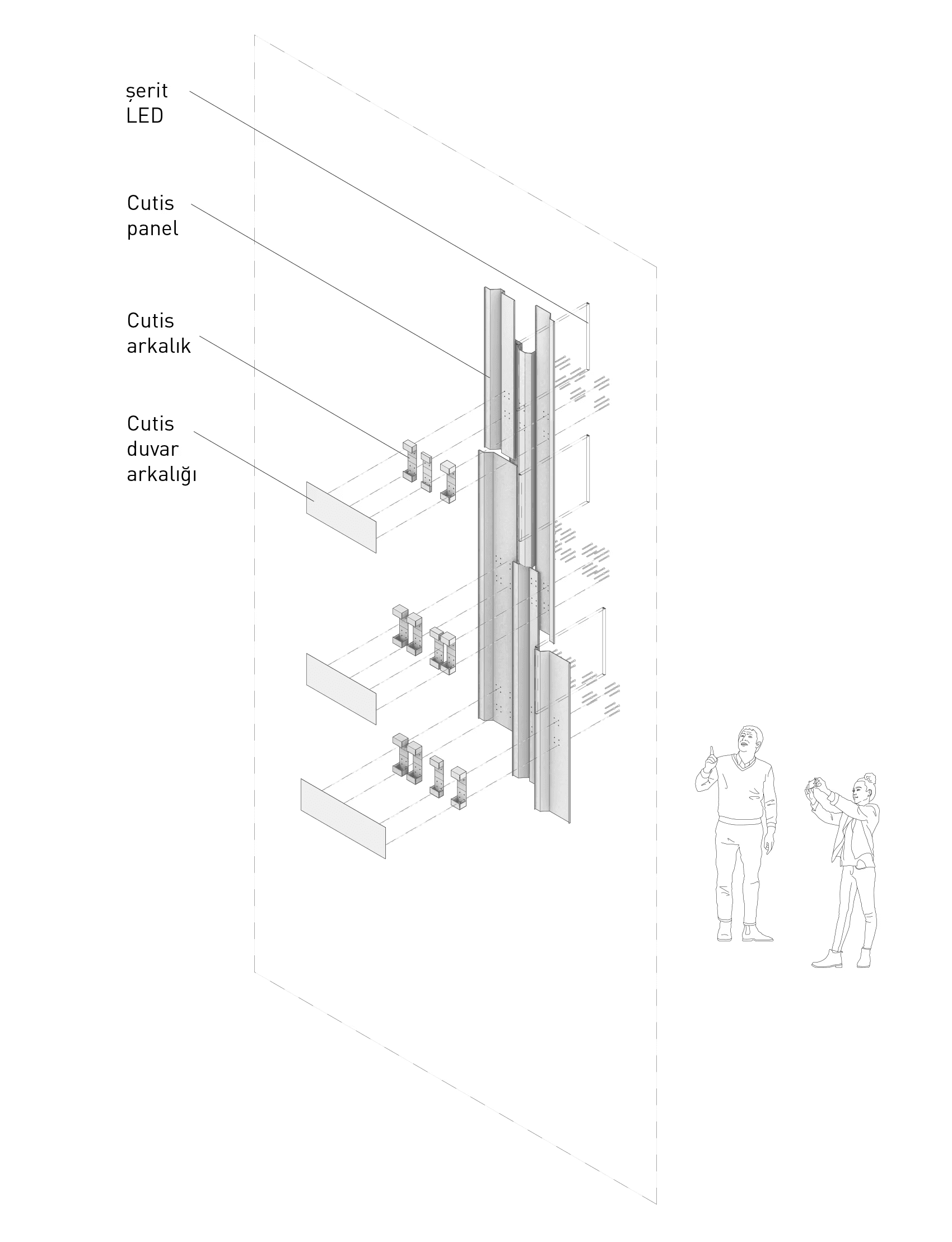
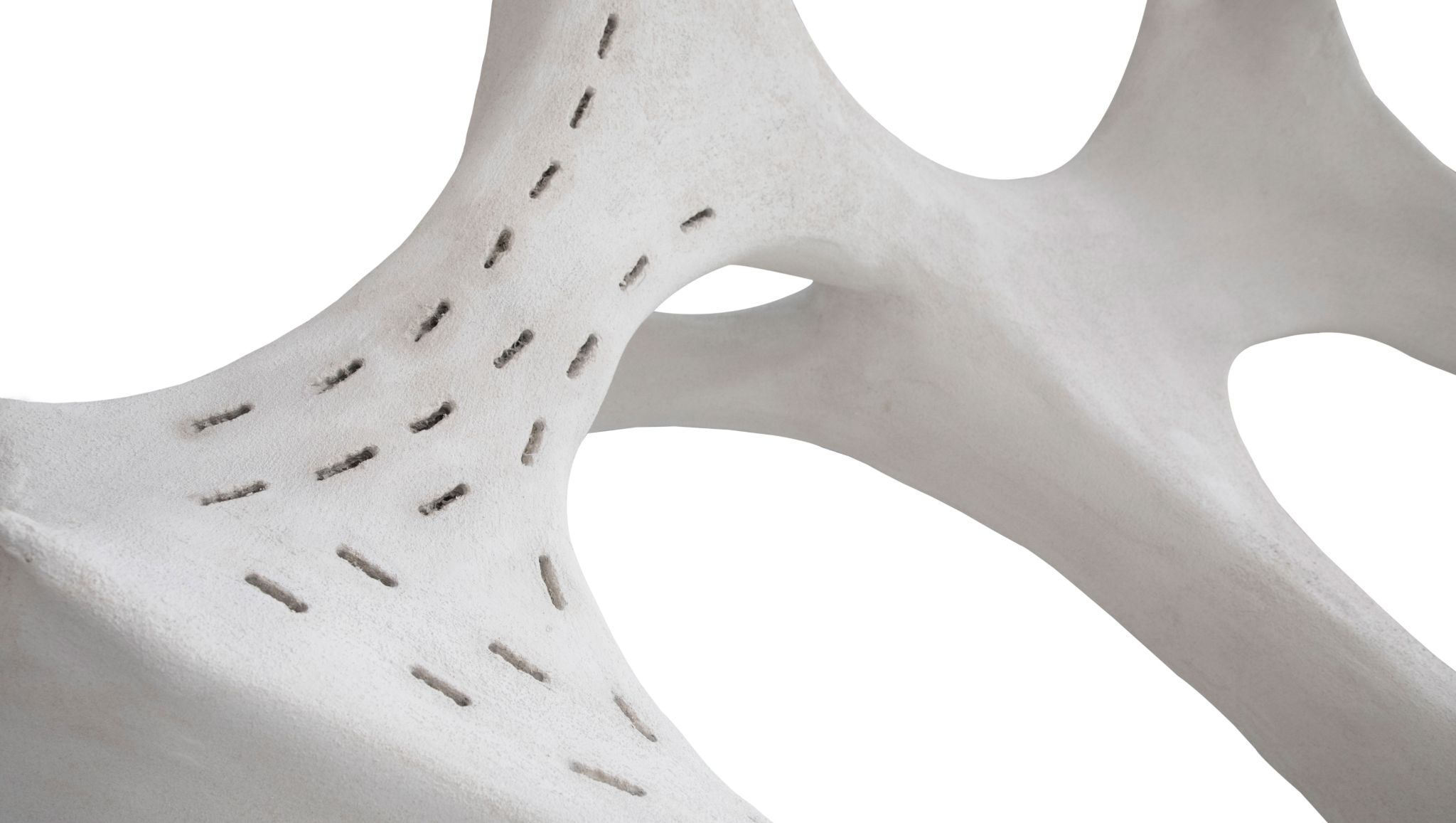
Cutis is a design concept and installation system developed by Nilüfer Kozikoğlu and Urban Atölye, taking its name from the Latin word for living skin. The name, originally coined by architect Saro Zorlu, captures the core intent of the work: to mimic the textures and resilience of natural surfaces through an innovative composite of metal structures, cement mixtures, and plant-based elements, assembled using plastering and casting techniques. Cutis is Urban Atölye's general name for applications organized around the themes of vitality and living texture, where metal surfaces and components are composed with cementitious coatings developed in collaboration with Saro Zorlu and the Laminate-Composite Coating Hands-on Workshop.
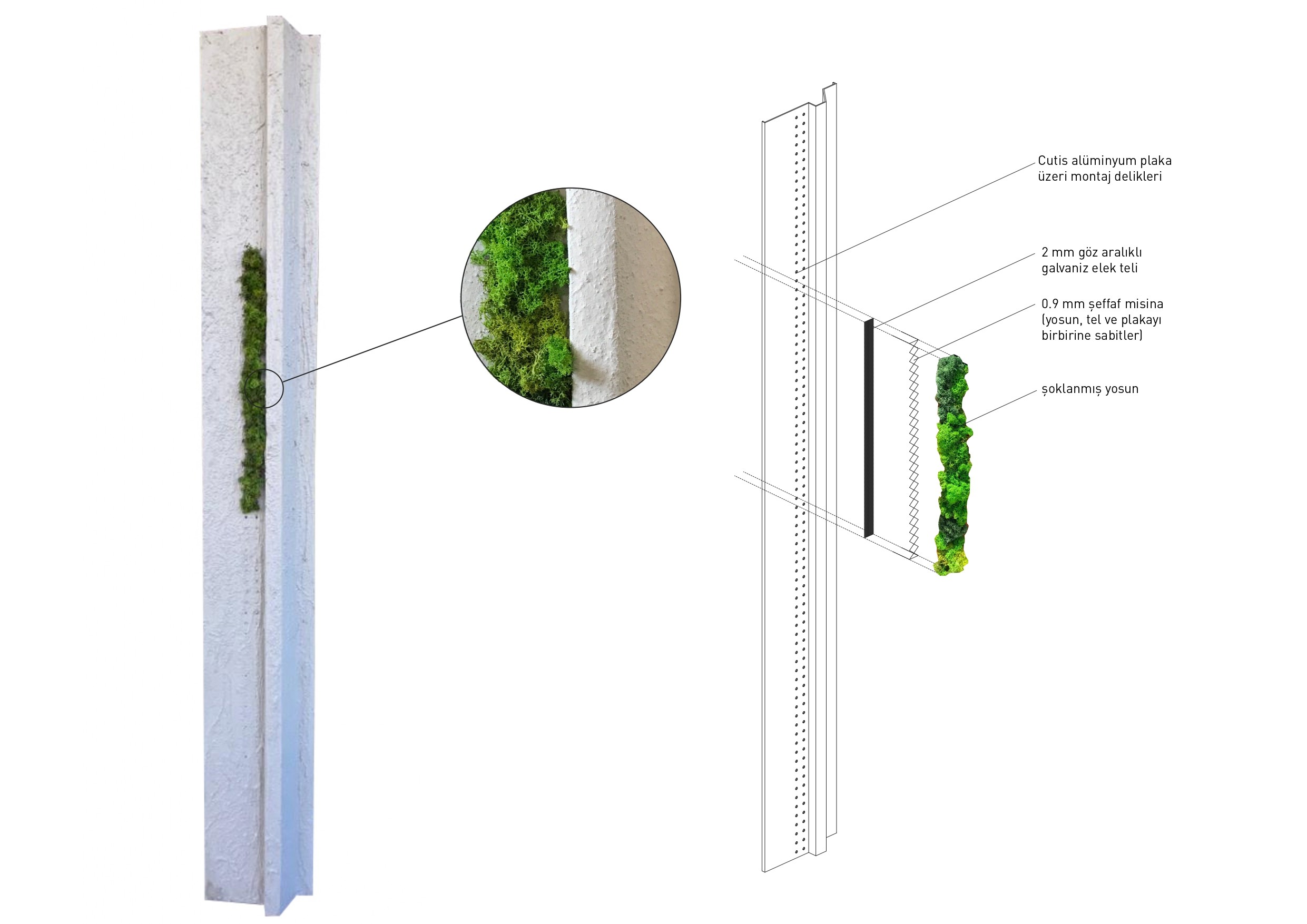
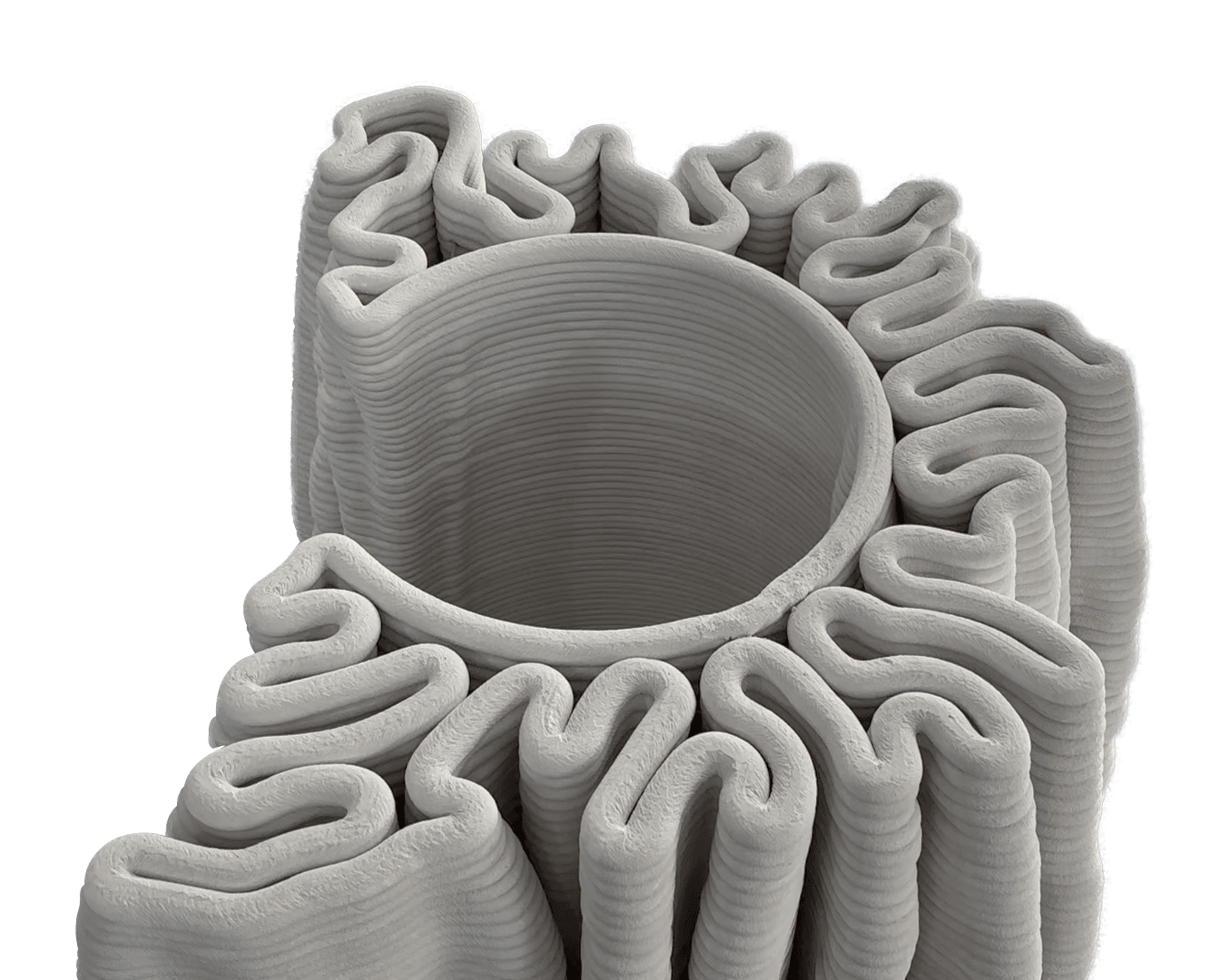
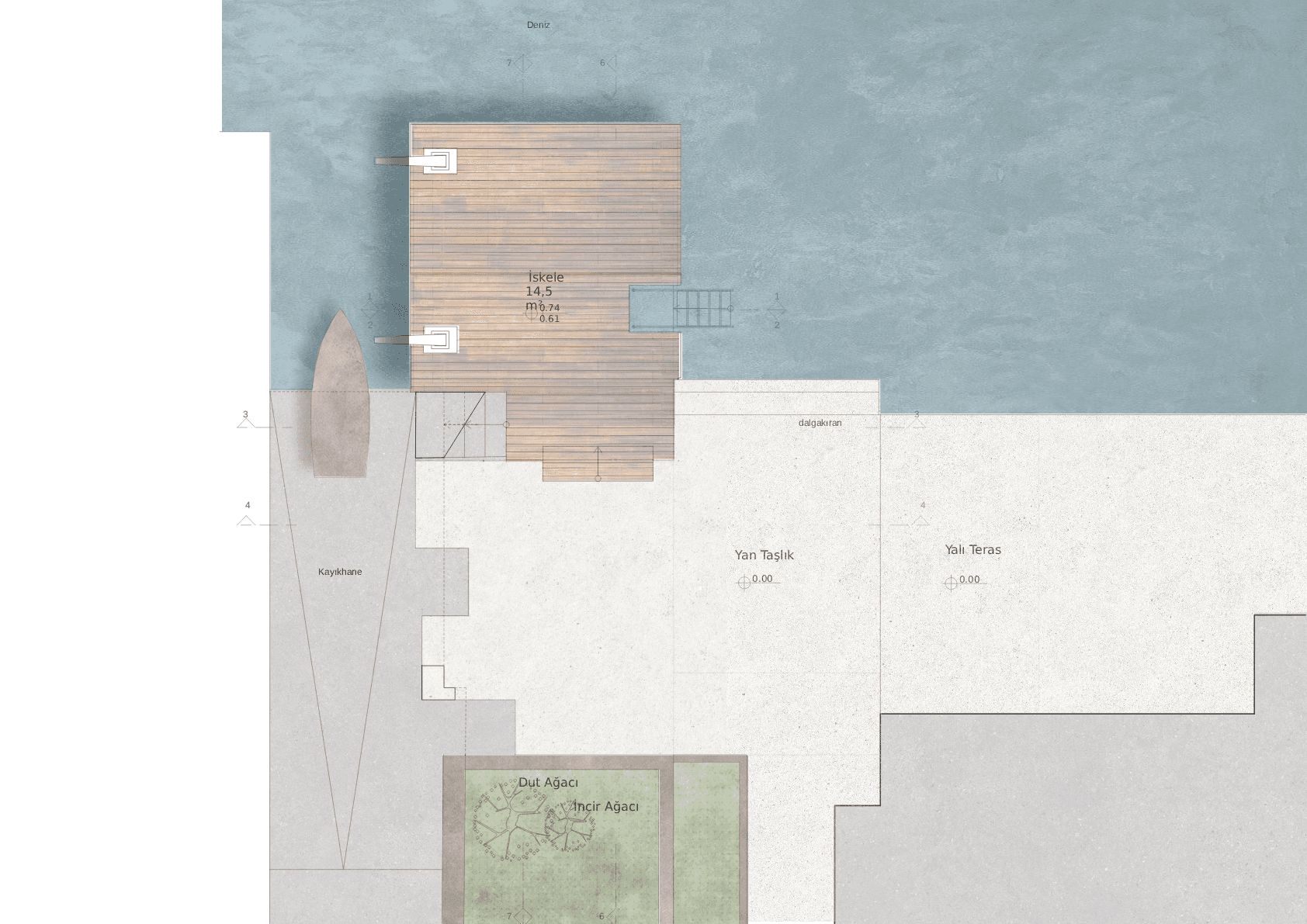
While cement-on-metal cladding is a well-established method in landscape architecture, Cutis differentiates itself through its integration of current material mixtures, digital fabrication techniques, and a commitment to lightness and durability. The concept was first developed in collaboration with architect Saro Zorlu, who commissioned Urban Atölye to apply it as a fence on a party wall for a Bosphorus-side yalı project. The system comprises three distinct application types: Cutis Panels, which are digital and handcrafted modular panels with cementitious cladding, applied with concealed lighting as both wall and railing modules; Cutis Plaster, a free-form spread plaster on galvanized mesh folded and shaped by code; and Cutis Mesh, semi-permeable cement panels on galvanized mesh. Together they present natural surfaces and textures to living spaces through innovation-oriented material and design typologies.
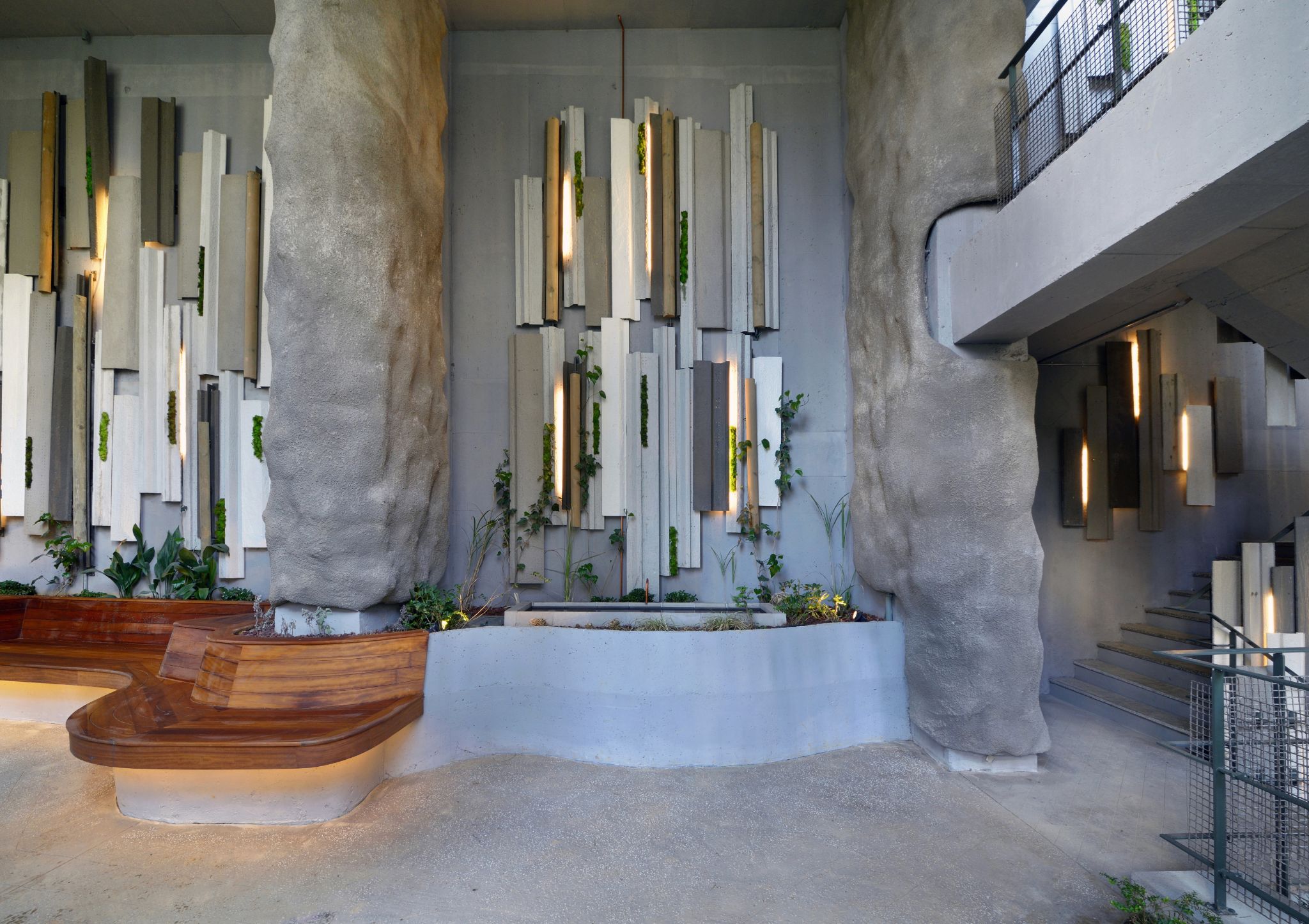
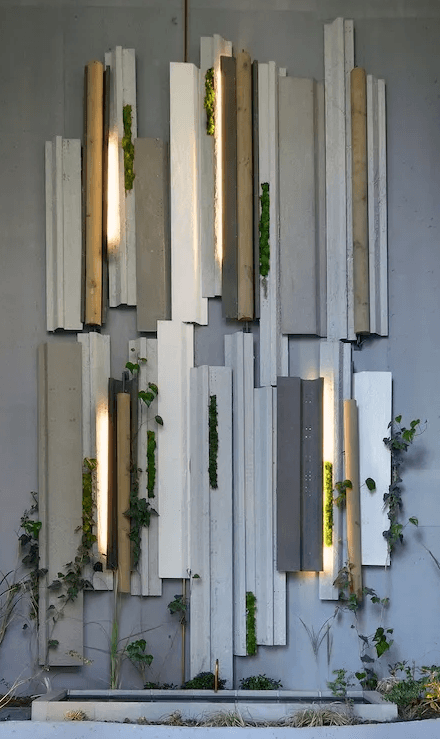
Kozikoğlu's approach is informed by her expertise in biourbanism and botany, grounding the Cutis system within a framework that unites architectural form and living nature. Each panel is crafted to foster interaction with light, weather, and seasonal change. Native flora sprouts from crevices and integrates naturally with the cement-based composition, creating surfaces that evolve with time and climate. Cutis thus blurs the boundary between the built environment and the living world, transforming conventional architectural elements into an ecological and experiential interface.
The first realized installation of the Cutis system was carried out at the Piyalepaşa Semt Istanbul residential development, where it was applied across the vast retaining walls supporting the back quarters of the site. That project, curated by biophilic designer Gökhan Karakuş, provided the ideal context for Cutis to demonstrate its full range, covering a total vertical surface area of 1,200m² across a 550m² site.
Related Works